Intelligibility in Spoken and Signed Languages
Dr Kate Crowe explores intelligibility as it relates to children who are deaf or hard of hearing and their use of spoken and/or signed languages.
Description
Intelligibility is an important concept in the development and use of language, both spoken and signed. While speech intelligibility is a frequently examined concept within deaf education, speech-language pathology, and linguistics, intelligibility in signed languages requires further examination.
In this VDEI Encore Presentation, Dr Crowe provides an overview of the concept of intelligibility as it relates to children who are deaf or hard of hearing (DHH) and their use of spoken and/or signed languages.
Data from two research studies is presented to demonstrate the impact that different assessment methods and rating scales can have on perceptions of the intelligibility of DHH children’s speech and signing. Results of these studies are presented to provide a view into the complexity of intelligibility as a concept in spoken and signed languages, and examples of potential tools and questions for measuring and monitoring intelligibility in spoken and signed languages are provided. Attention is also given to the implications of intelligibility and intelligibility measurement in children who are DHH with complex communication needs and children who are DHH who are multilingual users of spoken and/or signed languages.
VDEI recommend the use of Google Chrome, Firefox, Edge or Safari (Macintosh users only) as the preferred web browsers to seamlessly register and access this learning.
Learning Outcomes
Participants will:
- understand the concept of intelligibility as it relates to children who are DHH
- engage in current research on different assessment methods and rating scales in relation to the intelligibility of speech and signing
- explore useful tools and questions for measuring and monitoring intelligibility.
Presenters
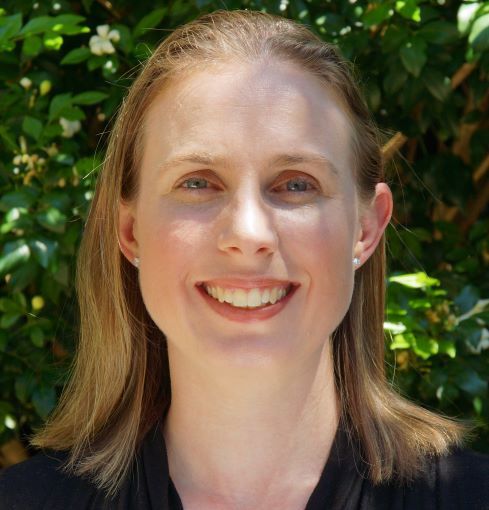 Dr Kathryn Crowe is a Postdoctoral Researcher at the University of Iceland. She concurrently holds adjunct positions at the Center for Education Research Partnerships (National Technical Institute for the Deaf, Rochester Institute of Technology) and the School of Teacher Education, Charles Sturt University. Dr Crowe has worked as a speech pathologist, academic, and researcher in a range of early childhood, school, and tertiary settings. Kathryn holds a Bachelor of Speech Pathology and Bachelor of Arts, majoring in linguistics, and a Master of Special Education (Sensory Disability), and a PhD, as well as Diploma in Auslan/English interpreting. She is also a member of the International Expert Panel on Multilingual Children’s Speech.
Dr Crowe’s research has focused on cultural and linguistic diversity in young children with hearing loss and their families. Currently she is involved with projects examining dual sensory loss, evidence-based interventions for multilingual children with hearing loss and hearing children with speech and language disorders, speech and sign intelligibility, and professional practice.
Dr Crowe is passionate about using evidence to inform practice when working with DHH learners and making available evidence accessible to parents, teachers, and clinicians. She has contributed to 47 peer-reviewed publications, seven book chapters, and is an Associate Editor for the journal Speech, Language, and Hearing.
Course Flyer
Accessibility
This VDEI Encore presentation is delivered in spoken English with captioning
Completion
Participants will receive a certificate noting 1 hour of professional learning.