Language, culture and identity: supporting positive development of adolescents who are deaf or HoH
Dr Louisa Willoughby discusses language and cultural issues facing adolescents who are deaf or hard of hearing and the link to identity development, peer group formation and social connection.
Description
Adolescence is a complex developmental period where young people come to new understandings about their place in the world. For young people who are deaf or hard of hearing (DHH), issues of belonging can be particularly fraught, and only intensify for those from language or cultural minority backgrounds.
This presentation provides an overview of the key language, communicative and cultural issues facing adolescents who are DHH from both majority and minority language and cultural backgrounds. Dr Willoughby’s presentation explores the ways in which these issues contribute to identity development, peer group formation and feelings of general social connection.
The presentation will help practitioners to identify the multiplicity of communicative resources, community memberships and identity positions that support young people who are DHH to actively craft positive futures.
VDEI recommend the use of Google Chrome, Firefox, Edge or Safari (Macintosh users only) as the preferred web browsers to seamlessly register and access this learning.
Presenters
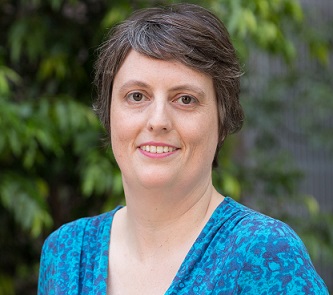 Dr Louisa Willoughby is a sociolinguist/ applied linguist at Monash University. She is deeply interested in how multicultural societies respond to linguistic diversity.
Dr Willoughby works with mainstream institutions such as schools, hospitals and libraries in Australia to explore better ways of engaging with clients from non-English speaking backgrounds and developing multilingual language proficiency. As part of this she has an abiding interest in the relationship between language, identity and social cohesion and the ways that people's attitudes about languages contribute to broader inclusion and exclusion. Much of her recent work looks at deaf sign language users, but she also has a strong interest in migrant languages, especially for small and newly-arrived migrant groups.
Course Flyer
Learning Outcomes
Participants will be able to:
- gain an increased awareness of issues relating to language, culture and identity experienced by adolescents who are deaf or hard of hearing
- engage with subject research to guide evidence-based practice in exploring positive interventions
- identify the various resources and community memberships open to adolescents who are deaf or hard of hearing
Accessibility
This VDEI Encore presentation is delivered in spoken English with captioning
Completion
Participants will receive a certificate noting 1 hour of professional learning.