In2School: Supporting school refusing students to return to school
Dr Lisa MacKay-Brown discusses school refusal and strategies to identify and support students who are experiencing school attendance problems.
Description
Dr Lisa McKay-Brown provides an overview of her innovative intervention program, In2School: Supporting School Refusing Students. School refusers are students who experience severe difficulty attending classes and demonstrate a reluctance and often outright refusal to go to school.
Dr McKay-Brown's on-demand presentation discusses the In2School approach, a wraparound approach for school refusers which brings teachers and clinicians together for up to six consecutive months. During this time, the support team assesses, plans and implements needs-based, personalised programs for each young person at home, in the clinic and in the classroom. Dr McKay-Brown’s program has shown significant results in student wellbeing and engagement. She discusses strategies that support the school refuser and will identify the warning signs for parents and teachers so that they understand how to intervene early.
VDEI recommend the use of Google Chrome, Firefox, Edge or Safari (Macintosh users only) as the preferred web browsers to seamlessly register and access this learning.
Please note – Victorian Department of Education staff can access this professional learning offering free of charge. Enter your @education.vic.gov.au email address during the registration process to ensure the registration fee is waivered.
Presenters
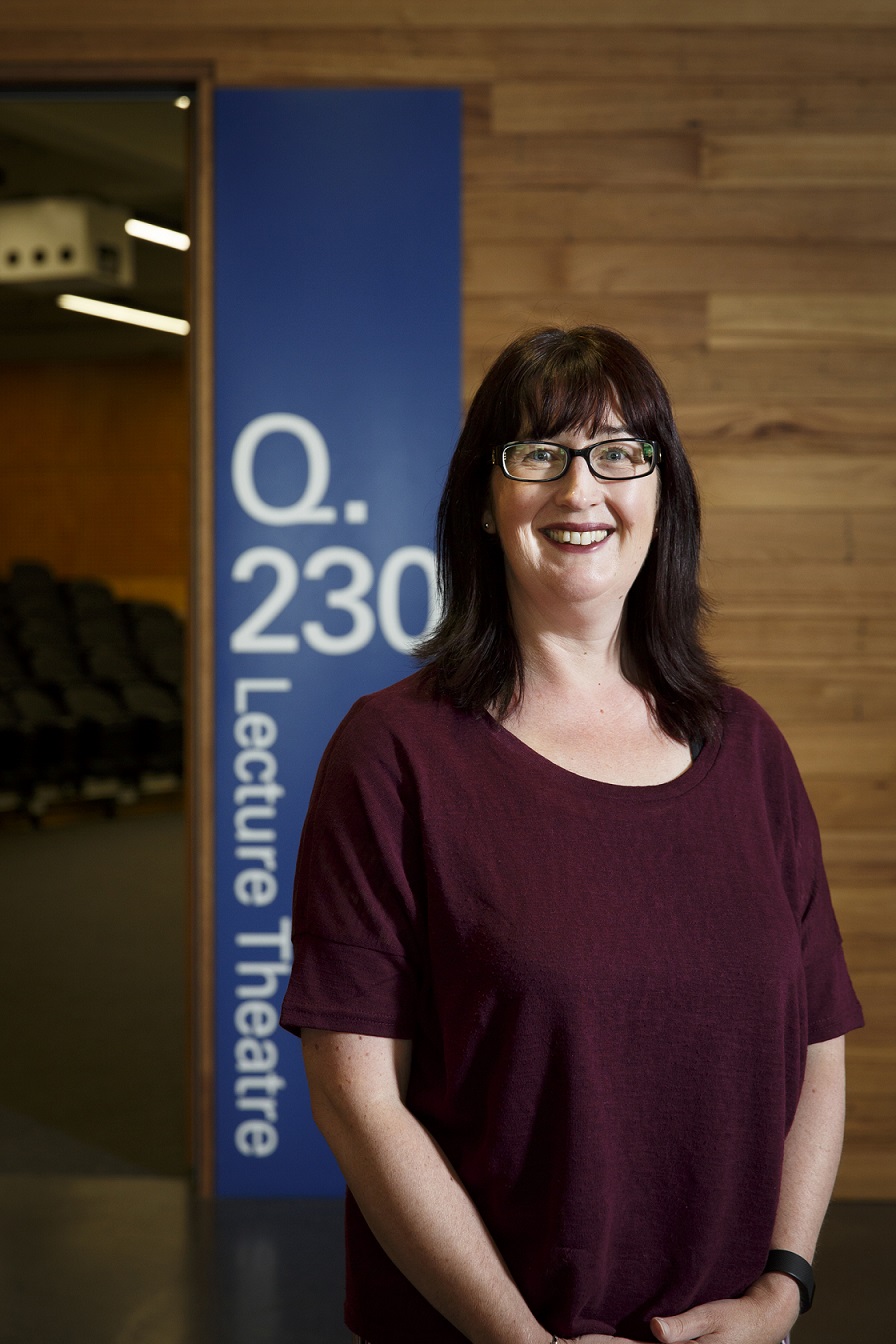 Dr.Lisa McKay-Brown is a Lecturer in Learning Interventions at the Melbourne Graduate School of Education, University of Melbourne. Prior to this, she was a Leading Teacher at Travancore School, a mental health focused special education State Government education setting. In this role she worked with teachers to develop support plans for students with mental health disorders, including those engaging in school refusal. Dr McKay-Brown has extensive experience working in education and health settings and has published in both national and international journals. She is currently involved in projects focusing on help-seeking by young people for alcohol and drug use, re-engaging severe school refusers, and including the voice of students with mental health diagnoses in their education.
Learning Outcomes
Participants will develop an understanding of:
- Early warning signs for school refusal and how schools can help identify these
- Interventions for school refusal
- The importance of using multidisciplinary teams for school refusal interventions
- How a wraparound model of care can be used as part of tier 3 interventions to support students who are school refusing in school settings.
Course Flyer
Accessibility
This On-Demand presentation is delivered in spoken English with captioning
Completion
Participants who successfully complete this On-Demand Presentation will receive a certificate noting 2 hours of professional learning.