Working with Deaf Multilingual Learners
Dr Kathryn Crowe presents evidence for multilingualism and outcomes for multilingual deaf learners with the aim to empower viewers to look more critically at the evidence used to support or rebut claims.
Description
The growing linguistic diversity of learners who are deaf or hard of hearing (DHH) is creating a challenge for educators and clinicians alike.
With over 8,000 languages spoken in the world and increasing levels of transnational mobility, the cultural and linguistic backgrounds of DHH learners accessing education and therapy services has never been more diverse, with multilingualism being more common than monolingualism. Attitudes have changed from English being the expected first language of children who are DHH to a recognition that one or more languages other than English might be the spoken at home.
Dr Crowe presents evidence for multilingualism and the outcomes for multilingual deaf learners, and aims to empower you to look more critically at the evidence used to support or rebut claims.
The need for interdisciplinary collaboration for supporting, assessing and monitoring the speech and language development of DHH multilingual learners will be also discussed.
VDEI recommend the use of Google Chrome, Firefox, Edge or Safari (Macintosh users only) as the preferred web browsers to seamlessly register and access this learning.
Please note – Victorian Department of Education staff can access this professional learning offering free of charge. Enter your @education.vic.gov.au email address during the registration process to ensure the registration fee is waivered.
Presenters
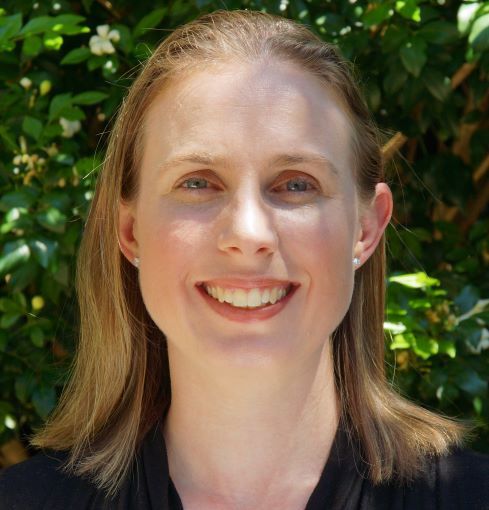
Dr Kathryn Crowe is an adjunct postdoctoral research scholar at the Center for Education Research Partnerships, located within the National Technical Institute for the Deaf at the Rochester Institute of Technology (United States), and an adjunct research fellow at Charles Sturt University (Australia). She is a member of the International Expert Panel on Multilingual Children’s Speech. She holds qualifications in speech pathology, linguistics, special education (sensory disability), interpreting, and a PhD. Dr Crowe’s research has focused on cultural and linguistic diversity in children with hearing loss and their families, and caregivers’ and professionals’ decision-making about language and modalities choices.
Her current work is with college-aged students who are Deaf or Hard of Hearing (DHH), exploring linguistic and cognitive factors which inform how we teach DHH learners. Dr Crowe is passionate about using evidence to inform practice when working with DHH learners and making available evidence accessible to parents, teachers, and clinicians.
Course Flyer
Accessibility
This On-Demand presentation is delivered in spoken English with captioning
Completion
Participants who successfully complete this On-Demand Presentation will receive a certificate noting 2 hours of professional learning.