Supporting social capital development for DHH students
Leaving high school and transitioning to the next stage of life as a young adult can be especially challenging for adolescents who are deaf or hard of hearing (DHH). DHH students with robust social capital have an enhanced potential to maximise their postschool education and employment opportunities and outcomes.
Description
In this presentation Dr Renée Punch will discuss the role and benefits of social capital in the transition to post-secondary life for DHH students. She will present the findings of a recent Australian study investigating the perspectives of young DHH adults on the role that social capital had played in their transition to post-secondary education.
The study explored practical ways in which educators and families could assist DHH high school students to build and use social capital, and recommendations developed from the study’s findings will be presented.
VDEI recommend the use of Google Chrome, Firefox, Edge or Safari (Macintosh users only) as the preferred web browsers to seamlessly register and access this learning.
Please note – Victorian Department of Education staff can access this professional learning offering free of charge. Enter your @education.vic.gov.au email address during the registration process to ensure the registration fee is waivered.
Accessibility
This On-Demand presentation is delivered in spoken English with captioning.
Completion
Participants who successfully complete this On-Demand Presentation will receive a certificate noting 1.5 hours of professional learning.
Learning Outcomes
Participants will develop an understanding of:
- Social capital and its benefits to young people
- The role of social capital in postschool transitions and outcomes
- Facilitators of social capital that can benefit DHH young people
- Ways in which schools can support social capital development for DHH students
Presenters
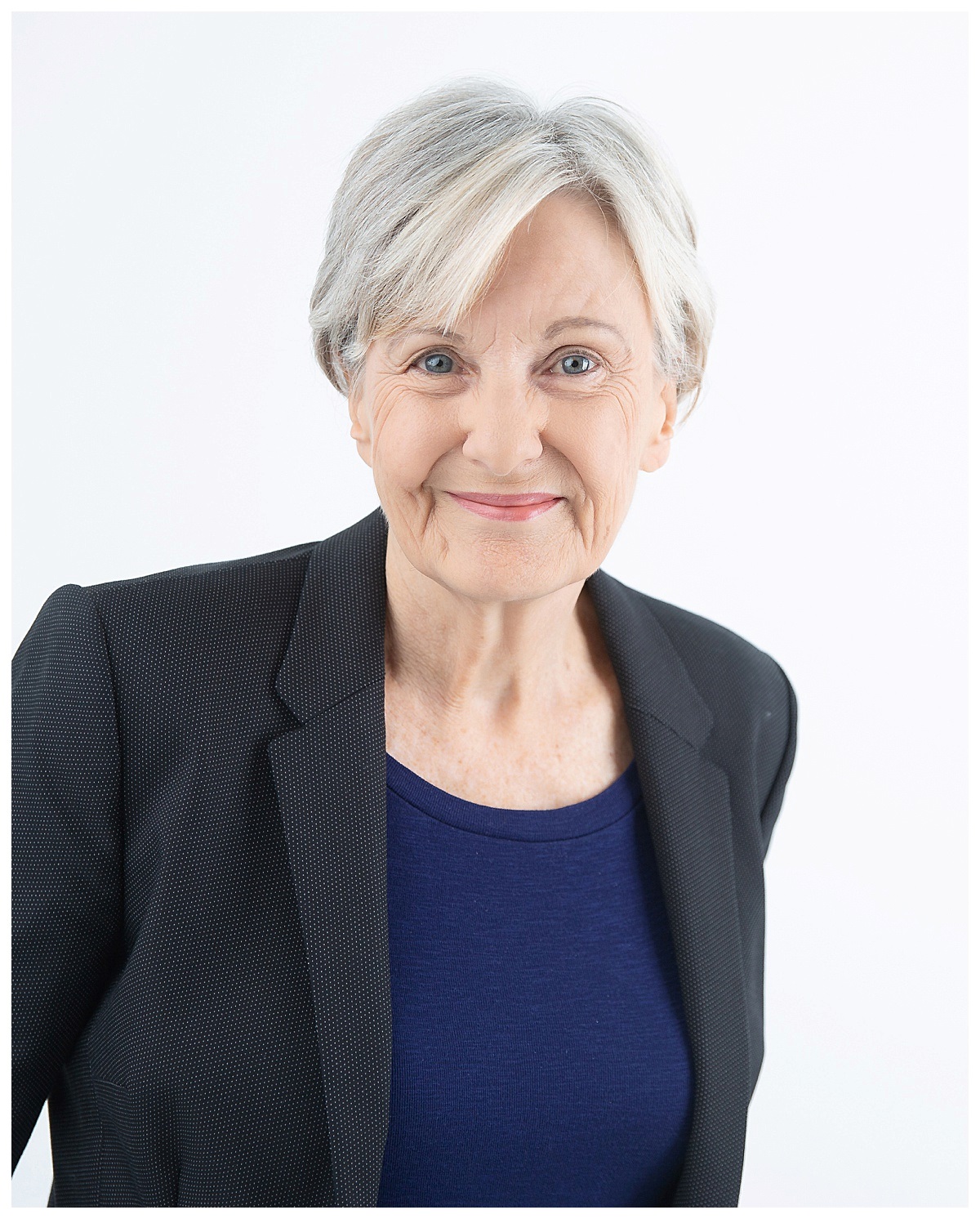 Dr. Renée Punch holds an Adjunct Professional Fellow position in the Faculty of Health, Southern Cross University. She is a researcher with a particular interest in the postschool transition and career development of young people who are deaf or hard of hearing. She has published widely in peer-reviewed journals in the areas of inclusive education, children and young people who are deaf or hard of hearing, and adults with hearing loss in the workplace.