Noise in School Classrooms
Professor Gary Rance discusses two studies carried out at the University of Melbourne, exploring the effects of the classroom environment on primary school students, with and without hearing loss.
Description
School classrooms can be challenging listening environments, particularly for younger students who are less able to separate speech from background noise than adults and older children.
In this presentation, Professor Gary Rance presents data from two studies carried out at the University of Melbourne, exploring the effects of the classroom environment on primary school students, with and without hearing loss.
The first of these studies measured physiological stress levels (cortisol concentration in saliva) and found that while all participants showed evidence of increased stress when undertaking cognitively challenging tasks in noise, children with auditory processing deficits were particularly affected. The results of this study are significant as frequent or prolonged activation of stress responses can have a range of harmful effects for students including immune system suppression.
The second study investigated the effects of the physical classroom environment (open-plan versus enclosed-classroom) on listening development and academic progress. A cohort of Grade 3-4 children from six schools were tracked over the course of a school year while they alternated between terms spent in open and enclosed-plan classrooms. Reading fluency was particularly affected by classroom environment, showing relatively lower rates of development through the open-plan phases. Auditory processing ability was another factor impacting how students reacted to the different learning spaces. For example, those children presenting with the poorest auditory attention abilities were also those with the strongest enclosed classroom preference.
This presentation is a recording of a VDEI live webinar, presented by Professor Gary Rance in August, 2021.
Learning Outcomes
Participants will:
- gain an understanding of the impact of classroom noise on speech understanding in primary-school students
- gain insights into the effect of noise on stress levels in children with normal auditory function and in individuals with auditory processing disorder
- understand how the physical classroom environment can affect learning.
Presenters
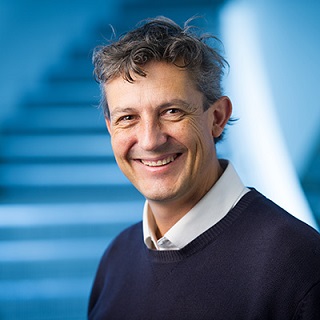 Gary Rance is an audiologist, clinical researcher and Professor at the University of Melbourne where he leads the Department of Audiology and Speech Pathology and is Director of the Centre for Auditory Neuroscience.
His research areas have included auditory evoked potentials, cochlear implants in children, and the perceptual effects of both permanent and transient hearing loss. He has also been a leader in the field of auditory neuropathy (AN) and was responsible for the first publications to describe this form of hearing abnormality in newborn babies.